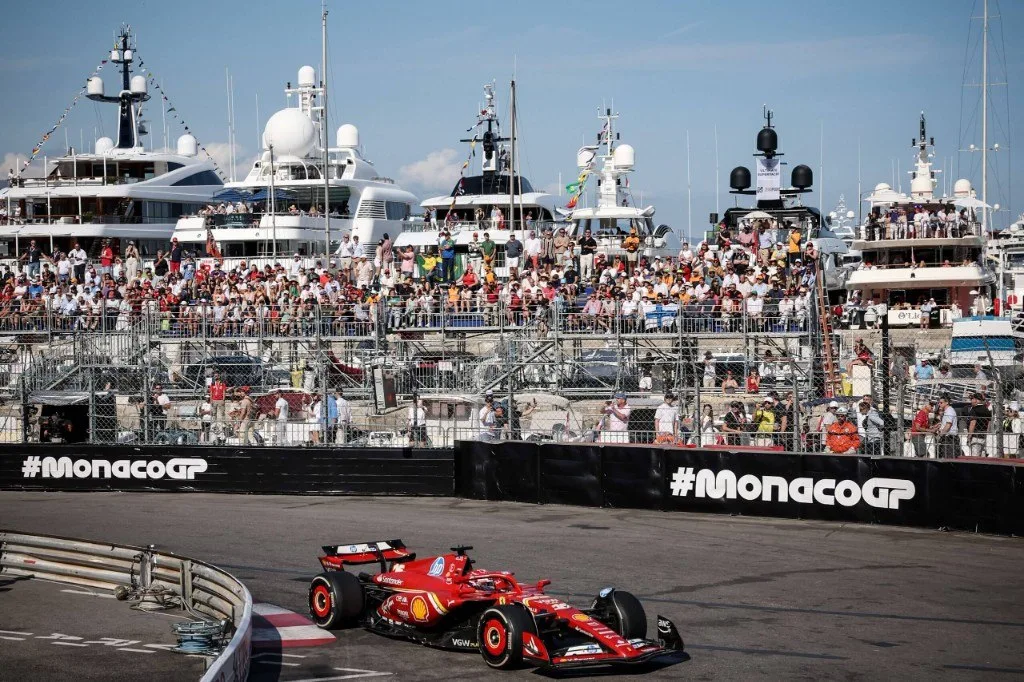
Monaco Grand Prix 2026: Transport & Transfer Guide
Updated March 2026 · 9 min read
The Monaco Grand Prix is the crown jewel of the Formula 1 calendar — a race through the narrow streets of Monte Carlo that has captivated motorsport fans since 1929. Attending the Grand Prix is an unforgettable experience, but it also presents unique transport challenges. The tiny principality of Monaco (just 2 square kilometres) becomes incredibly congested during race week, and many roads that normally carry traffic are closed to form the circuit. Planning your transport well in advance is essential.
Monaco Grand Prix 2026: Key Dates
The 2026 Monaco Grand Prix is scheduled for the last weekend of May. Here is the expected timetable:
Private Transfer
Nice Airport → Monaco
~30 min · Mercedes · meet & greet · luggage assistance
- Thursday, May 21: Free Practice 1 & Free Practice 2
- Friday, May 22: Rest day (unique to Monaco — no track action)
- Saturday, May 23: Free Practice 3 & Qualifying
- Sunday, May 24: Race Day (start time typically 3:00 PM local)
Track preparations begin weeks before the race, with barriers and grandstands erected from late April. Road closures increase progressively, with the most significant restrictions in place from the Wednesday before the race through Sunday evening.
Important: Monaco operates on a unique Thursday–Sunday schedule (unlike all other F1 races which run Friday–Sunday). Friday is a rest day with roads partially reopened. Plan your transport around this unusual timetable.
How to Get to Monaco During the Grand Prix
With Monaco’s streets transformed into a racetrack, getting into the principality requires careful planning. Here are your main options:
Private Transfer from Nice Airport
A private transfer from Nice Airport to Monaco normally takes 25–35 minutes. During Grand Prix week, you should allow 45–90 minutes depending on the day and time. Your experienced driver will know which approach roads are open, where to drop you closest to your grandstand or hotel, and the best times to travel. We strongly recommend arriving at your hotel well before track sessions begin — ideally the day before.
Drop-off points change during the race weekend as road closures shift. A professional transfer service stays updated on these changes in real time, something that is almost impossible for a visitor to manage independently. Your driver will communicate with you throughout, adjusting the plan if needed.
Train
The train is a popular option during Grand Prix week because it avoids road traffic entirely. Trains from Nice to Monaco-Monte Carlo run every 10–20 minutes and take about 20 minutes. However, be prepared for extremely crowded platforms and trains, especially after qualifying and the race. The walk from Monaco station to most viewing areas is 10–20 minutes, partly through underground passages and stairs.
Helicopter
For the ultimate Grand Prix arrival, helicopter transfers from Nice Airport to Monaco’s heliport take just 7 minutes. It is an exhilarating way to arrive and avoids all road congestion. However, slots fill up fast and prices are premium during race week.
Ferry / Sea Transfer
Some visitors arrive by sea, either on private yachts or water taxis from Nice or Cap-d’Ail. The harbour offers a unique perspective of the circuit, and some of the most coveted Grand Prix viewing spots are from yachts moored in Port Hercules.
Road Closures and Access Restrictions
Understanding the road closure schedule is critical for anyone driving to or within Monaco during Grand Prix week. The circuit uses public roads that are normally open to traffic, so closures directly impact daily life and visitor logistics.
- Circuit roads (Boulevard Albert 1er, Avenue de Monte Carlo, the Tunnel, and others forming the 3.3 km track) are fully closed to regular traffic during practice, qualifying, and the race. These closures typically begin early morning and can last until late evening.
- Surrounding roads in and around Monaco experience heavy restrictions and diversions. Many streets become one-way or are closed entirely to manage spectator flow.
- The A8 motorway from Nice remains open, but the exit to Monaco and the approach roads see severe congestion. The Moyenne Corniche (D6007) and the Basse Corniche (D6098) both become extremely slow.
Pro tip: If you are staying in Nice, Beaulieu-sur-Mer, or Èze, consider having your driver drop you at Cap-d’Ail and walking into Monaco from there. It is a pleasant 15-minute walk along the coast, and you bypass the worst of the traffic.
Why Pre-Booking a Transfer Is Essential
During Grand Prix weekend, transport demand in the Nice–Monaco corridor increases by an estimated 300–400%. Here is why booking ahead matters:
- Availability: Private transfer vehicles and drivers are booked weeks or months in advance. Last-minute bookings during race week are extremely difficult and much more expensive.
- Local knowledge: Professional drivers who work the Riviera year-round know the alternative routes, the timing of closures, and the best drop-off and pick-up points. A driver unfamiliar with the area will struggle with the constantly changing access situation.
- Return transfers: Getting out of Monaco after the race is arguably harder than getting in. Pre-booking a return transfer means your driver is positioned and waiting at an agreed pick-up point, while others are scrambling for taxis or queueing for packed trains.
- Flexibility: With a private driver, you can adjust your schedule. If qualifying finishes early, you leave early. If you want to stay for the podium ceremony, your driver waits.
- Group travel: If you are attending with friends or colleagues, a minivan transfer for 6–8 people is far more practical and cost-effective than trying to coordinate individual transport.
Best Viewing Spots at the Monaco Grand Prix
The Monaco Grand Prix is unique because spectators are incredibly close to the action. Whether you have grandstand tickets or general admission, here are some of the best vantage points:
- Grandstand K (Piscine): Located at the swimming pool complex chicane, this offers dramatic close-up views of cars navigating a tight sequence of corners with the harbour as a backdrop.
- Sainte Dévote (Turn 1): The first corner after the start is one of the most exciting spots, with heavy braking and frequent overtaking attempts on the opening lap.
- Casino Square: The most iconic section of the track. Watching Formula 1 cars power past the Casino de Monte-Carlo is a surreal experience.
- The Harbour: General admission around the harbour area lets you see the cars along the waterfront and soak up the atmosphere of the paddock area.
- Rascasse: The final corner before the start/finish straight, known for its nightlife spot overlooking the track. It is a legendary vantage point for photography.
Where to Stay During the Grand Prix
Accommodation in Monaco itself is scarce and extremely expensive during the Grand Prix. Here are practical alternatives where our transfer service operates:
- Nice (25–40 min): The widest range of hotels and the best value. Stay near the airport or in the city centre, and use a daily private transfer to Monaco.
- Beaulieu-sur-Mer (10–15 min): A quiet, elegant town just west of Monaco with excellent hotels and a beautiful bay.
- Èze (15–20 min): A hilltop village with luxury boutique hotels. Stunning views and a short drive to Monaco.
- Cap-d’Ail (5–10 min): The closest French town to Monaco, within walking distance. Limited accommodation but excellent access.
- Menton (15–20 min): A charming seaside town to the east, close to the Italian border. Less crowded and more affordable.
Booking advice: Hotels within a 30-minute radius of Monaco fill up 3–6 months before the Grand Prix. Book accommodation and transfers as early as possible. Many of our clients book their race weekend transfers the moment the F1 calendar is confirmed.
Practical Tips for Grand Prix Weekend
- Arrive the day before: Travel to your hotel on Wednesday or Thursday to avoid race-day traffic stress.
- Wear comfortable shoes: You will walk a lot. Monaco is hilly and involves many stairs and tunnels during the Grand Prix.
- Bring sun protection: Late May in Monaco means strong sun and temperatures around 22–26°C. Grandstands have limited shade.
- Carry cash: Some vendors around the circuit only accept cash, although card payment is increasingly common.
- Charge your phone: You will need it for navigation, coordination with your driver, and of course for photos. Bring a portable charger.
- Plan your exit: Decide in advance where your driver will pick you up post-race. The streets are chaotic for 1–2 hours after the chequered flag.
- Enjoy the full experience: Beyond the race, Monaco during Grand Prix week offers parties, car exhibitions, yacht events, and a buzzing atmosphere throughout the principality.
Book Your Grand Prix Transfer
Professional drivers who know Monaco inside out. Pre-book your race weekend transfers today.
Book Your Transfer
 Cannes Transfer