 Cannes Transfer
Cannes Transfer
Cannes Transfer
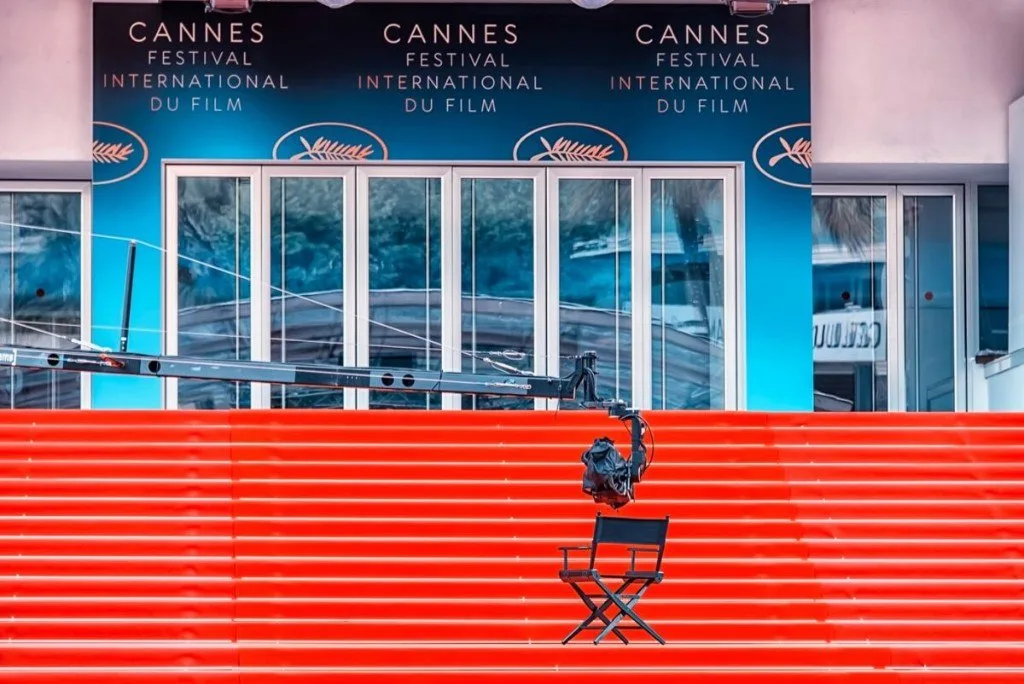
The Festival de Cannes is the world's most prestigious film event. Held annually in May, it draws thousands of filmmakers, industry professionals, journalists, celebrities, and cinephiles to the Côte d'Azur for nearly two weeks of screenings, premieres, parties, and deal-making. The festival is centered around the Palais des Festivals et des Congres on the Boulevard de la Croisette, and the entire city of Cannes buzzes with energy during the event.
With this influx of visitors comes a massive increase in demand for transport. Roads get congested, taxis become scarce, and accommodation spreads across neighboring towns. Planning your transport in advance is not just a convenience — it is a necessity. This guide covers everything you need to know about getting to Cannes for the festival and navigating the city once you arrive.
Most festival-goers arrive via Nice Côte d'Azur Airport (NCE), the main international airport serving the French Riviera. It handles direct flights from major European cities as well as long-haul connections from North America, the Middle East, and Asia. The airport is located approximately 38 kilometers east of Cannes.
Nice Airport is the most common arrival point. During the festival period, the airport sees a significant increase in private jet traffic in addition to regular commercial flights. Both Terminal 1 and Terminal 2 handle international arrivals.
From Nice Airport to Cannes, you have several options: private transfer, taxi, airport bus, or train. During the festival, we strongly recommend pre-booking a private transfer. Here is why:
Some travelers, particularly those arriving from outside Europe, may fly into Marseille Provence Airport. The distance from Marseille to Cannes is approximately 180 kilometers, and the drive takes about 1 hour 45 minutes to 2 hours via the A8 motorway. A private transfer from Marseille is a viable option, especially if you find better flight deals or connections through Marseille.
Once you are in Cannes, navigating the city during the festival requires some knowledge and planning. The area around the Palais des Festivals and the Croisette becomes a controlled zone with restricted vehicle access, road closures, and heavy security during premieres and galas.
For getting between the Palais, the Croisette hotels, and nearby restaurants, walking is often the fastest option during the festival. The Croisette is approximately two kilometers long, and most festival venues, hotels, and meeting points are within a 20-minute walk of each other. Comfortable shoes are advisable — the distances add up over a 12-day festival.
For longer distances, evening events, or when you need to travel between Cannes and neighboring towns (many delegates stay in Antibes, Mougins, or even Nice due to limited accommodation), having a private car and driver is invaluable.
A dedicated transfer service during the festival can provide:
During premiere nights, when the Croisette is closed to regular traffic and taxis are nearly impossible to find, having a pre-arranged pickup at a designated point is the only reliable way to get home at the end of the evening.
Cannes has a local bus network (Palm Bus) that operates throughout the festival period. While the buses are inexpensive, they are not practical for festival attendees who need to be at specific venues at specific times. Routes may be diverted due to road closures, and buses can be crowded and slow during peak hours.
Local taxis in Cannes are in extremely high demand during the festival. Hailing a taxi on the street near the Croisette is nearly impossible during the evenings. Even calling for a taxi or using an app may result in long wait times. The taxi stands at the Gare de Cannes (train station) and at certain points along the Croisette typically have queues.
Renting a car during the festival is generally not recommended unless you are staying outside Cannes and need daily transport flexibility. Parking in central Cannes is extremely limited and expensive during the festival. Street parking near the Croisette is restricted, and municipal parking garages fill up early. The stress of driving in festival traffic and finding parking can outweigh the convenience of having your own vehicle.
Hotel prices in Cannes during the Film Festival are among the highest in Europe. A standard room that costs 150 euros per night in April can command 500 to 1,500 euros or more during the festival. As a result, many visitors choose accommodation in nearby towns:
If you are staying outside Cannes, a reliable daily transfer service becomes essential. A pre-booked driver who understands the festival schedule, knows the best routes and drop-off points, and is available for flexible pickup times can make the difference between a stressful festival experience and a smooth one.
The Cannes Film Festival typically runs from mid to late May each year, lasting approximately 12 days. The opening ceremony and first screenings generate the biggest transport demand, along with the closing ceremony and awards night.
A recommended planning timeline:
The Cannes Film Festival is one of those rare events where the atmosphere, the setting, and the occasion combine to create something truly special. Do not let transport logistics diminish the experience. By planning ahead and booking a reliable private transfer service, you ensure that every journey — from your first airport pickup to your final departure — is smooth, comfortable, and on time.
Whether you are an industry veteran who attends every year or a first-time visitor, professional transport support allows you to focus on what matters: the films, the meetings, the events, and the incomparable energy of the Croisette during those extraordinary two weeks in May.
Airport transfers, daily transport, and evening pickups throughout the festival. Book early to secure your driver.
Book Your Transfer